The Flagstaff Chapter offers in-person meetings with the option to watch from home via Zoom. The meetings take place on the third Tuesday of the month, March through October, at 7:00 PM and are held at the Northern Arizona University Biology Sciences Building, Room 328. Street parking is available nearby.
Some of the meetings have been recorded and can be viewed the Flagstaff Chapter’s Facebook or at The Arizona Native Plant Society. For details about upcoming meetings, please see our email distribution list (naris123@cs.com), Facebook page, or AZNPS.com. Register in advance once in order to attend any of the meetings virtually: https://us02web.zoom.us/meeting/register/gWhRf79ZSEuoMH8rpAf91g
After registering, you will receive a confirmation email containing information about joining the meeting. Use the link Zoom sends or the passcode Flagstaff! to join the meeting.
Field Trips
Field trips generally leave from south end of the Walmart parking lot on Woodlands Boulevard on Saturday following the talk, April-October. Carpooling is usually available. Please watch for specific details.
JOIN OUR CHAPTER E-LIST
Join Our Chapter E-list: If you would like to receive reminders and announcements about field trips and meetings via e-mail, send a note to Sue Holiday to be added to the list. Stay informed by joining us on Facebook.
Usually the most up-do-date information about upcoming chapter events can be found on our Facebook page.
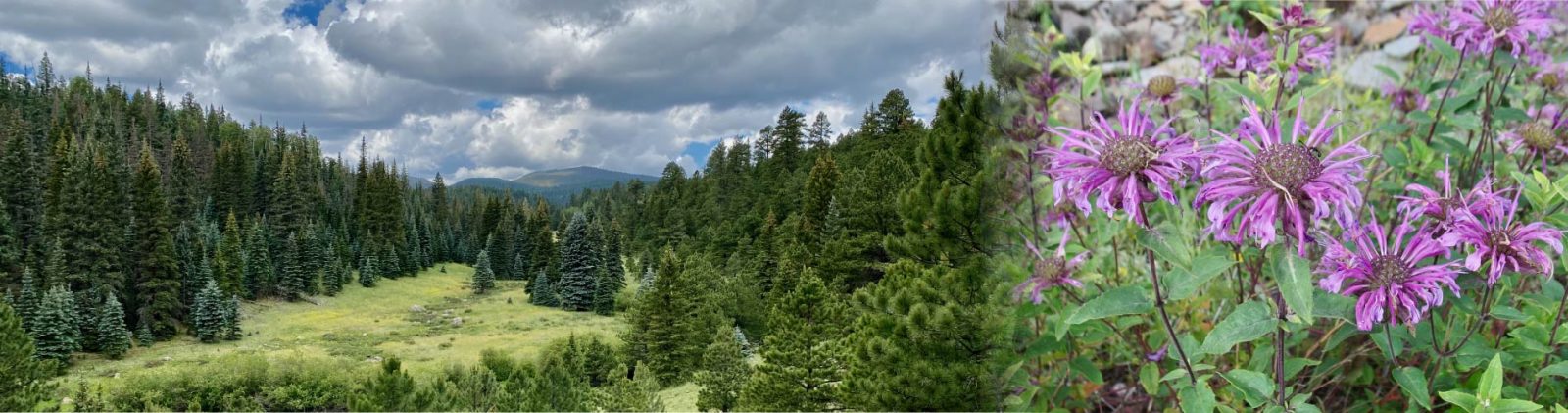
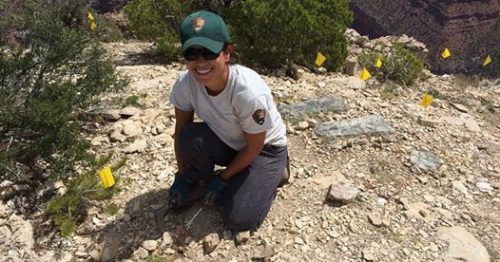
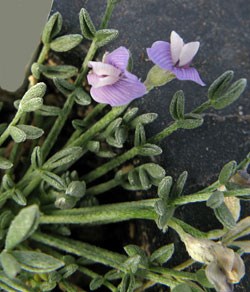
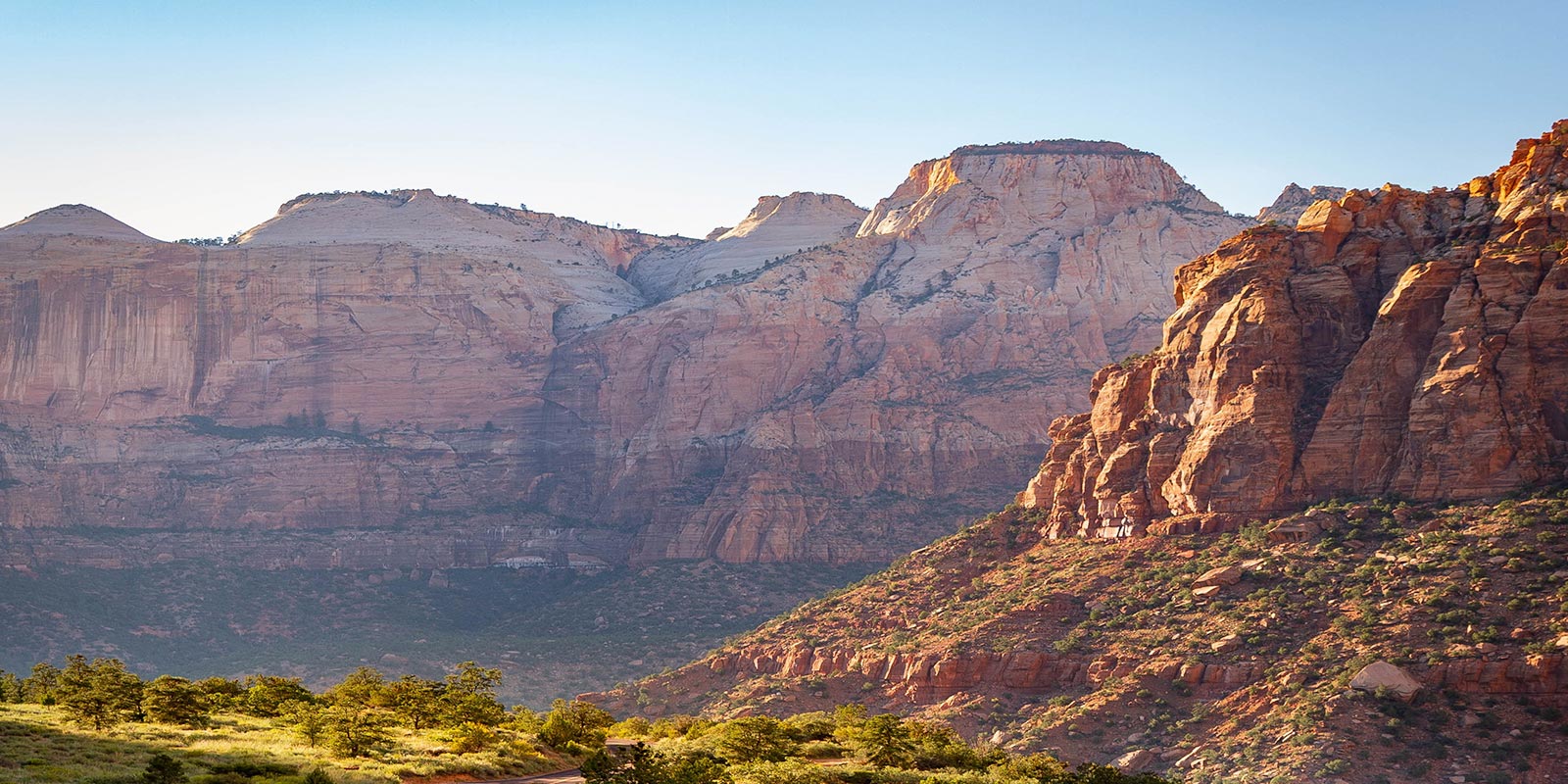
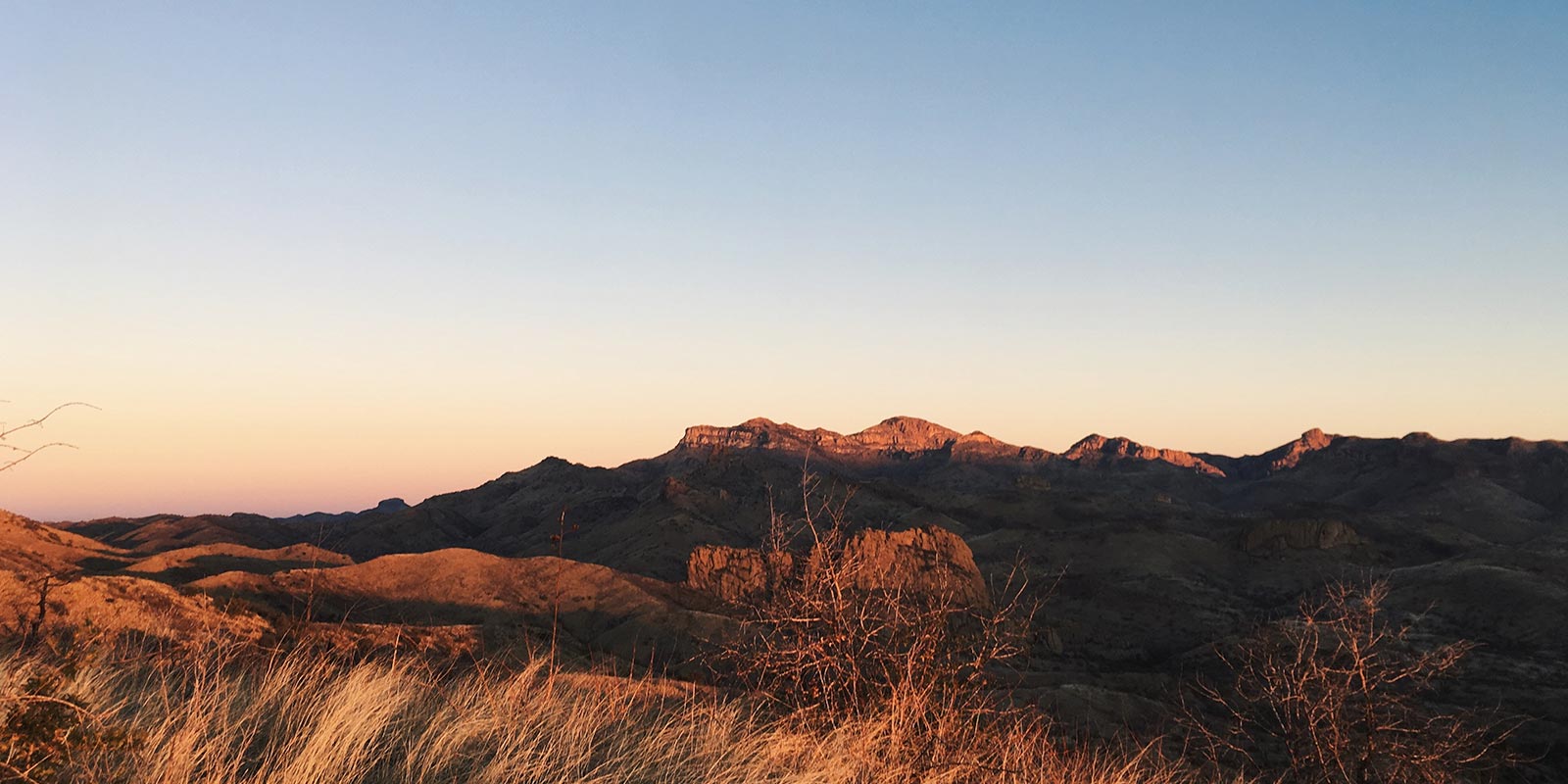
* Photos above by Sue Carnahan.
Chapter Leadership
Name
Role
Contact
Kirstin Phillips
President
flagstaffAZNPS@gmail.com
Melissa Amberson
Chapter Contact
azmelissa@yahoo.com
Sue Holiday
Email Distribution
naris123@cs.com
Barbara Phillips
Hike Information
bagphillips@yahoo.com
Volunteering Opportunities
Want to get involved? We've got just the thing!
Chapter News
Tuesday, October 15: Tina Ayers. Namibia and Namaqualand
Posted on Sep 03, 2019
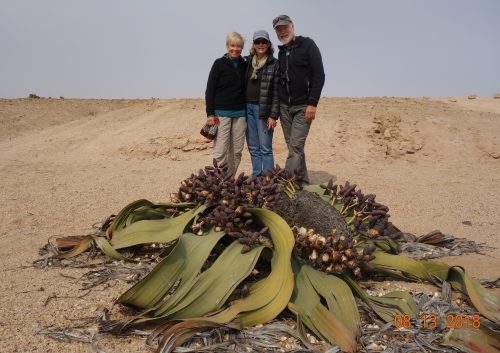
In August, Tina made the trip of a lifetime with Randy Scott and Vera Markgraf to visit the Namib Desert. Tina’s presentation will chronicle their two-week adventure to find the desert in bloom and to visit one of the more bizarre plants on earth, Welwitschia mirabilis. Surreal landscapes and succulents will be the emphasis of this presentation. There will also be a seed exchange of NATIVE ARIZONA plants. Tina is Director and Curator of Deaver Herbarium, Northern Arizona University
Tuesday, September 17, Charlie DeMarco:The Natural History of Galls
Posted on Aug 03, 2019
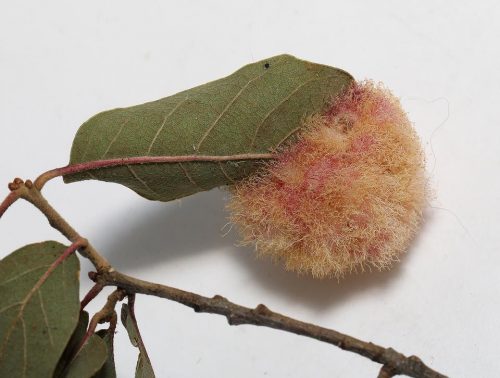
About six years ago while hiking the trails at the Highland Center for Natural History in Prescott AZ, I noticed something that had been there all along but had escaped my attention on all my previous outings. It was a small round red ball on a scrub oak leaf about three quarters of an inch in diameter. It looked like a tiny red apple. As I examined this curiosity, I noticed there were others just like it on the scrub oaks all around me. What was I looking at? At first it appeared to be a fruit but it felt hollow and most oddly was attached to the leaf and not at the bud, in fact it appeared to have emerged right out of the middle of the leaf! Strange indeed. I then thought it must be an insect’s nest of some kind. Even more curious now I went back to the Center’s office and when I inquired, I was told it was a gall. What is a gall? Little did I know at that time I would be spending many hours over the next six years delving deeply into this question.
Charlie DeMarco is the founder of the Pinecrest Gall Research Station in Prescott.
Tuesday, August 20: Ahsa Jensen, Grand Canyon’s Federally-Listed Endangered Plant, Sentry Milk- Vetch
Posted on Jul 17, 2019
Grand Canyon has one federally-listed endangered plant, the sentry milkvetch (Astragalus cremnophylax var. cremnophylax). The sentry milk-vetch is endemic to Grand Canyon and is only found in soil pockets located in the Kaibab Limestone, on the edge of the canyon. With limited populations, the park’s Science and Resource Management Division has partnered with the U.S. Fish and Wildlife Service, the Arboretum at Flagstaff, and the Grand Canyon Conservancy to implement a recovery plan that includes reintroduction sites to remove the plant from the federal list of Threatened and Endangered Species.
Ahsa Jensen is Grand Canyon’s Native Plant Nursery Manager and has worked with the propagation, outplanting, and monitoring of the sentry milk-vetch for the last six years. She will present on the park’s reintroduction efforts for sites on the south rim of Grand Canyon.